
Daily Habits That Can Help Reduce Dry Eye Symptoms

Daily Habits That Can Help Reduce Dry Eye Symptoms

Daily Habits That Can Help Reduce Dry Eye Symptoms

Daily Habits That Can Help Reduce Dry Eye Symptoms

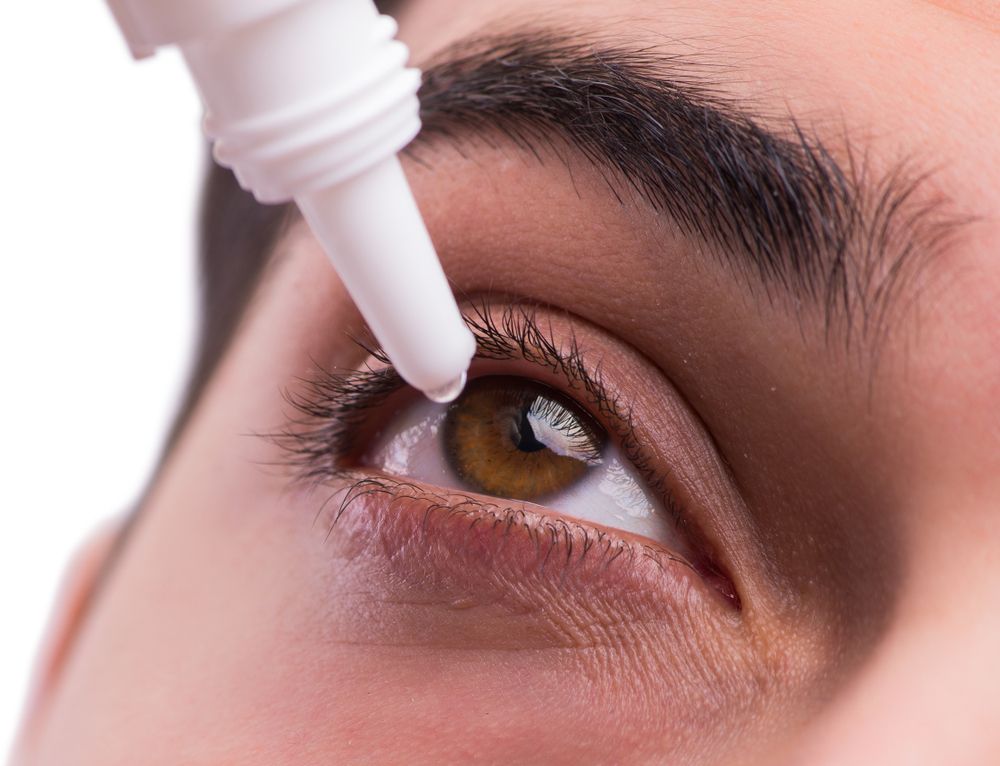
If you find yourself using artificial tears frequently or noticing persistent burning or blurry vision, you may be dealing with dry eye. The good news is that small, consistent changes to your daily routine can significantly reduce symptoms. And when lifestyle adjustments aren’t enough, your eye doctor can provide advanced treatment options to address the underlying cause.
Reduce Screen Strain with the 20-20-20 Rule
Extended screen time is one of the most common contributors to dry eye. When we focus on digital devices, our blink rate decreases, and our blinks often become incomplete. This prevents tears from spreading evenly across the surface of the eye, leading to dryness and irritation.
A simple strategy to counter this is the 20-20-20 rule. Every 20 minutes, look at something 20 feet away for at least 20 seconds. This helps reset your blink rate and reduces eye strain. You can also practice fully closing your eyes briefly to ensure your tear film is properly distributed.
Improve Your Environment to Protect Your Tears
Your surroundings can significantly affect tear evaporation. Air vents, fans, and dry indoor air can cause tears to evaporate more quickly, worsening symptoms.
To create a more eye-friendly environment, avoid sitting directly under air vents or in front of fans. Using a humidifier can help add moisture to the air, especially in winter or air-conditioned spaces. Positioning your computer screen slightly below eye level can also help your eyelids cover more of your eyes, reducing tear evaporation during prolonged screen use.
Maintain Healthy Eyelids
Inflammation along the eyelid margins - often related to meibomian gland dysfunction - is a common underlying cause of dry eye. These oil glands play a crucial role in preventing tears from evaporating too quickly.
Daily eyelid hygiene can help. Gently cleaning your eyelids with a doctor-recommended cleanser removes debris and bacteria. Warm compresses applied for 5 to 10 minutes can help unclog oil glands and improve tear quality. Avoiding sleeping in eye makeup is another simple step that protects gland health.
Use Artificial Tears Appropriately
Over-the-counter artificial tears can offer temporary relief, but choosing the right product matters. If you use drops more than a few times per day, preservative-free options are generally recommended. Avoid redness-relieving drops, as they may actually worsen dryness over time.
If you are unsure which eye drops are best for your symptoms, your eye doctor can recommend a product tailored to your specific type of dry eye.
When to See Your Eye Doctor
While these daily habits can significantly improve mild dry eye symptoms, persistent or worsening discomfort may indicate a more complex issue. If you experience ongoing burning, stinging, grittiness, blurred vision that improves with blinking, excessive tearing, light sensitivity, or difficulty wearing contact lenses, it’s time to schedule an evaluation.
A dry eye assessment allows your eye doctor to determine whether tear deficiency, meibomian gland dysfunction, inflammation, or another condition is contributing to your symptoms. Advanced treatment options may include prescription anti-inflammatory eye drops, in-office therapies to improve gland function, punctal plugs to help retain tears, or a customized treatment plan based on your lifestyle and eye health.
Take the Next Step at Westchester Eyes
Daily habits play a significant role in managing dry eye symptoms. By reducing screen strain, improving your environment, staying hydrated, practicing eyelid hygiene, and supporting your eye health through proper nutrition, you can help protect your eyes and improve comfort. However, if your symptoms persist despite these efforts, professional care is essential.
Schedule a dry eye evaluation at Westchester Eyes to identify the root cause and learn more about advanced dry eye treatment options. Visit our office in White Plains, New York, or call (914) 567-4800 to book an appointment today.


- Monday9:00 AM - 5:00 PM
- Tuesday9:00 AM - 5:00 PM
- Wednesday9:00 AM - 5:00 PM
- Thursday9:00 AM - 5:00 PM
- Friday9:00 AM - 2:00 PM
- SaturdayClosed
- SundayClosed
© 2026 Westchester Eyes. All rights Reserved.
Powered by
